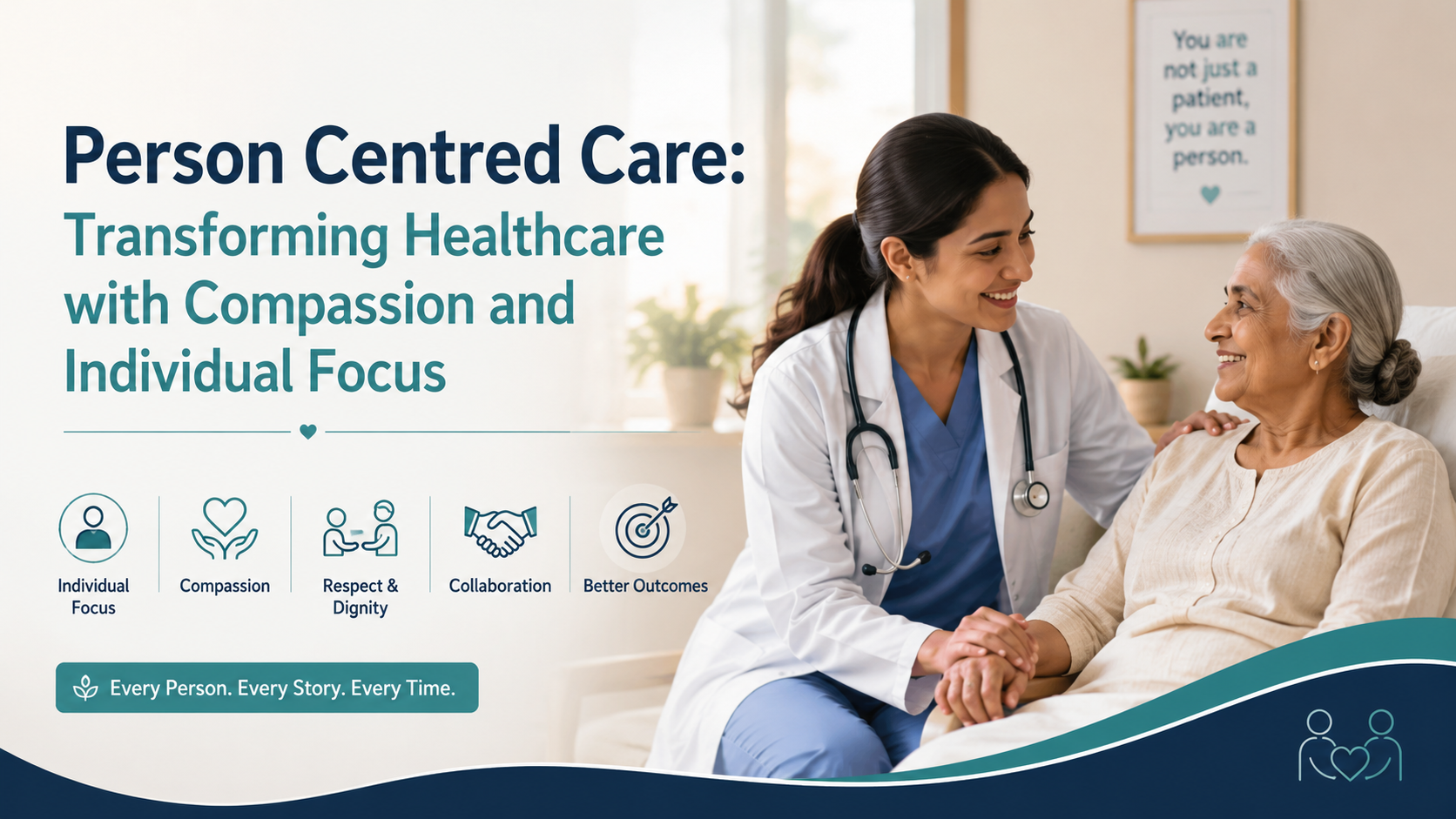
Person Centred Care: Transforming Healthcare with Compassion and Individual Focus
Introduction
Person centred care is more than a healthcare strategy—it is a philosophy that places the individual at the heart of the care process. Unlike traditional models that prioritize disease management or standardized treatment, person centred care focuses on understanding the unique needs, preferences, and values of each patient.
This approach empowers patients, fosters meaningful communication between healthcare providers and patients, and enhances overall wellbeing. In today’s complex healthcare landscape, adopting person centred care is essential for improving outcomes, boosting patient satisfaction, and building trust.
What Is Person Centred Care?
Person centred care is an approach that prioritizes the individual’s personal experiences, goals, and choices in healthcare. It is based on four key principles:
- Respect for the Person: Recognizing each patient as a unique individual with dignity and autonomy.
- Holistic Focus: Considering physical, emotional, social, and spiritual needs.
- Collaborative Decision-Making: Engaging patients actively in their care plans.
- Empowerment: Supporting patients to take control of their health journey.
By shifting focus from the illness to the person, healthcare professionals can create care strategies that align with personal values, leading to better adherence and satisfaction.
Benefits of Person Centred Care
Person centred care offers a wide range of benefits for both patients and healthcare providers:
Improved Patient Outcomes
Patients who feel understood and involved in their care decisions often experience faster recovery, fewer complications, and better overall health outcomes. Studies show that person centred care reduces hospital readmissions and increases treatment adherence.
Enhanced Patient Satisfaction
When patients are treated as individuals rather than cases, their satisfaction with healthcare services rises significantly. A caring, empathetic environment encourages patients to communicate openly, which further improves care quality.
Strengthened Provider-Patient Relationships
Effective person centred care fosters trust and collaboration. Healthcare professionals gain deeper insights into patients’ needs, creating stronger therapeutic relationships and reducing misunderstandings or dissatisfaction.
Promotes Holistic Wellbeing
By addressing emotional, social, and spiritual needs alongside physical health, person centred care supports overall wellbeing. Patients feel valued, respected, and supported throughout their care journey.
Core Principles of Person Centred Care
Understanding the fundamental principles is crucial to implementing person centred care effectively.
Individualized Care Planning
Every patient has unique needs and goals. Care plans should be tailored, flexible, and regularly updated based on the patient’s preferences and feedback.
Empowerment and Participation
Patients should actively participate in decision-making, with healthcare providers serving as guides rather than sole decision-makers. Empowered patients are more likely to follow treatment plans and report higher satisfaction.
Respect and Dignity
Person centred care emphasizes treating each patient with respect, maintaining privacy, and acknowledging cultural, social, and personal preferences.
Collaborative Care Teams
Interdisciplinary collaboration ensures that all aspects of a patient’s needs are addressed. Nurses, physicians, therapists, and social workers must work together to deliver cohesive care.
Implementing Person Centred Care in Healthcare Settings
Transitioning to a person centred approach requires systematic changes in practices and culture. Here’s how healthcare institutions can implement it effectively:
Staff Training and Education
Healthcare professionals need continuous training on communication, empathy, cultural competence, and shared decision-making. This helps staff integrate person centred principles into daily interactions.
Patient Engagement Tools
Using surveys, feedback forms, and digital platforms allows patients to voice preferences and concerns. Engaging patients ensures their values are respected in every care decision.
Flexible Care Environments
Creating environments that adapt to patient needs—such as private rooms, accessible facilities, and supportive social spaces—enhances comfort and promotes healing.
Care Plan Documentation
Documenting individualized care plans ensures all team members are aligned with patient goals. It allows for consistent, coordinated, and adaptive care delivery.
Person Centred Care in Different Healthcare Contexts
Person centred care is versatile and can be applied across various settings:
Acute Hospitals
Even in high-pressure hospital environments, personalizing treatment based on patient values improves satisfaction and clinical outcomes. Examples include adjusting visitation policies, explaining procedures thoroughly, and incorporating patient preferences in treatment schedules.
Primary Care
In primary care, providers can focus on long-term relationships, preventive care, and shared decision-making. Personalized health education and lifestyle interventions are central to this approach.
Mental Health Services
Person centred care is particularly crucial in mental health, where understanding individual experiences, emotional states, and social contexts drives effective treatment and recovery.
Elderly Care
For older adults, person centred care supports dignity, independence, and quality of life. Incorporating personal history, routines, and preferences into daily care promotes comfort and reduces stress.
Challenges in Person Centred Care
Implementing person centred care comes with challenges:
- Time Constraints: Personalized interactions require more time per patient.
- Resource Limitations: Staff shortages or budget constraints can hinder individualized care.
- Cultural Barriers: Understanding diverse backgrounds requires ongoing sensitivity and training.
- Resistance to Change: Some providers may resist shifting from task-focused models to patient-focused care.
Overcoming these challenges requires leadership commitment, policy support, and investment in training and infrastructure.
Measuring the Effectiveness of Person Centred Care
Assessing the impact of person centred care is vital for continuous improvement. Key metrics include:
- Patient satisfaction scores
- Health outcomes and recovery rates
- Frequency of hospital readmissions
- Staff satisfaction and engagement
- Patient engagement in care decisions
Regular evaluations ensure that care strategies remain aligned with patient needs and organizational goals.
Practical Examples of Person Centred Care
Case Study: Customized Diabetes Management
A diabetes clinic implements individualized care plans, where patients choose treatment schedules, meal plans, and educational sessions. The result is higher adherence to medication, improved glycemic control, and reduced hospital visits.
Example: Elderly Home Care
A home care agency designs daily routines based on the elderly patient’s previous lifestyle preferences, hobbies, and family involvement. Residents report higher happiness, reduced anxiety, and better overall wellbeing.
Future of Person Centred Care
As healthcare evolves, person centred care is becoming central to digital health, telemedicine, and AI-assisted treatment. Personalized health apps, virtual consultations, and AI-driven care planning are enabling even more tailored and responsive care experiences.
Conclusion
Person centred care represents a paradigm shift in healthcare, emphasizing compassion, respect, and individual focus. By placing patients at the center of every decision, healthcare providers can enhance satisfaction, improve outcomes, and foster trust.
Investing in person centred care is not just an ethical choice—it is a strategic approach that benefits patients, providers, and healthcare systems as a whole.
FAQs
1. What is the difference between person centred care and patient-centred care?
Person centred care emphasizes the whole individual’s values, preferences, and wellbeing, while patient-centred care often focuses more narrowly on the clinical aspects of treatment.
2. How does person centred care improve patient outcomes?
By involving patients in decision-making, addressing personal needs, and respecting preferences, adherence improves, complications reduce, and overall satisfaction increases.
3. Can person centred care be applied in hospitals with limited resources?
Yes, even small changes—like better communication, flexible routines, and patient engagement—can make a significant difference without requiring large budgets.
4. What skills do healthcare providers need for person centred care?
Empathy, active listening, cultural competence, collaboration, and shared decision-making skills are essential.
5. Is person centred care only for chronic conditions?
No, it applies to all healthcare contexts, from acute care and mental health to preventive care and elderly support.



Post Comment