M6 Walsall Birmingham Lanes Closure: Everything Drivers Need to Know
Introduction
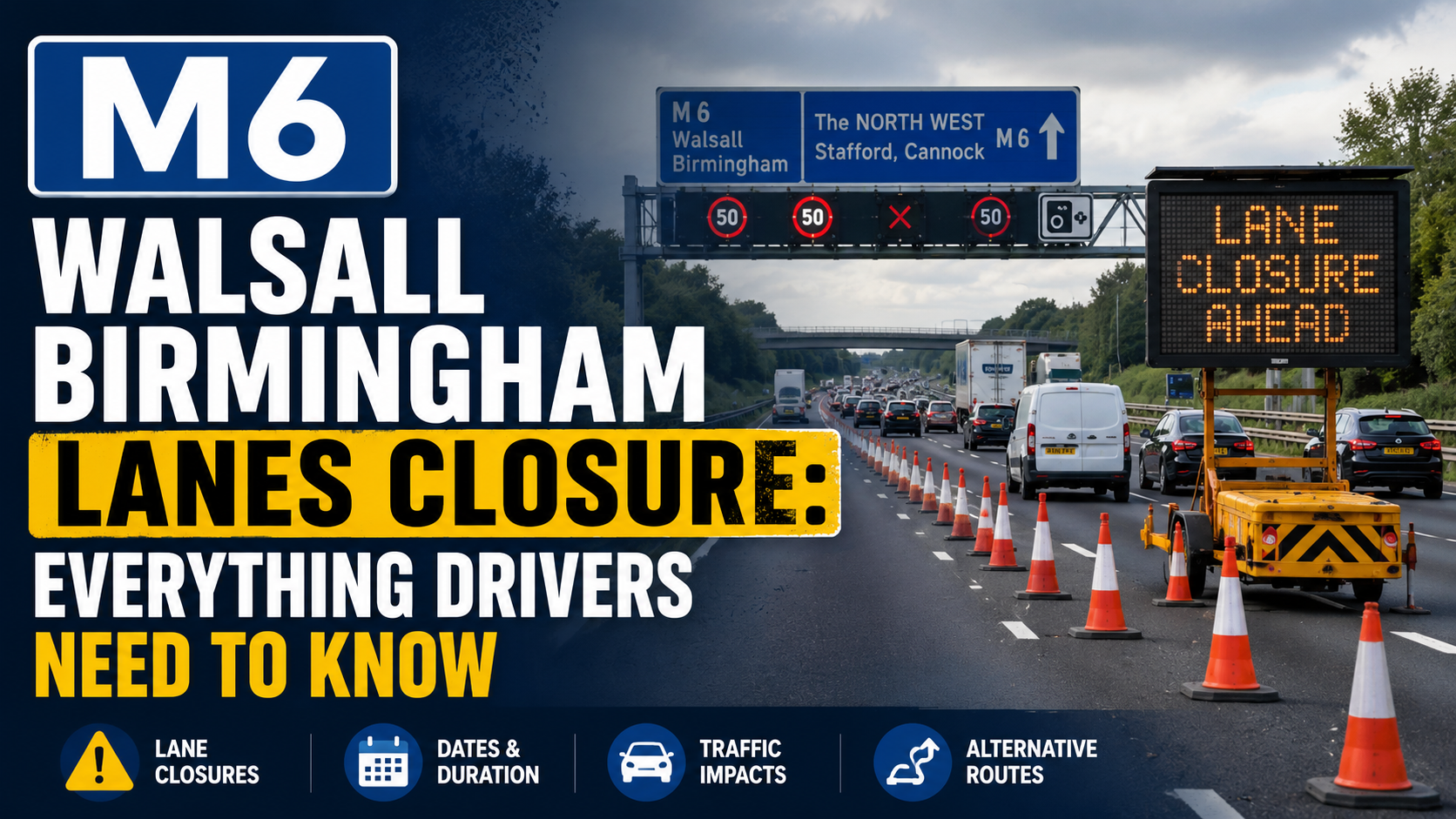
The m6 walsall birmingham lanes closure has become one of the most talked-about traffic concerns in the West Midlands, affecting thousands of motorists every day. As one of the busiest motorways in the United Kingdom, the M6 serves as a critical transport corridor connecting Birmingham, Walsall, Manchester, Staffordshire, and several major industrial and commercial hubs. Any lane closure or motorway restriction on this route immediately creates ripple effects across surrounding roads and local communities.
In recent months, drivers have experienced longer travel times, unexpected diversions, and heavy congestion due to ongoing motorway improvement works, emergency repairs, and traffic management projects. Commuters traveling between Birmingham and Walsall have faced frustrating delays during peak hours, while logistics companies and delivery drivers have had to adjust schedules to cope with traffic disruptions.
Road closures on major motorways are rarely simple inconveniences. They impact local businesses, public transport schedules, emergency services, and even environmental conditions due to increased vehicle idling and emissions. Understanding why these closures happen, how long they may last, and what alternative routes are available can help drivers make smarter travel decisions and avoid unnecessary stress.
This detailed guide explores everything motorists need to know about the M6 lane closures around Walsall and Birmingham. From the reasons behind the restrictions to traffic management strategies and future motorway improvements, this article provides a complete overview designed to keep travelers informed and prepared.
Why the M6 Between Walsall and Birmingham Is So Important
The M6 motorway is one of the UK’s most heavily used transport routes. Stretching across England, it carries millions of vehicles annually and acts as a vital connection between the North and the Midlands. The section between Walsall and Birmingham is especially significant because it links industrial zones, business centers, logistics facilities, and densely populated residential areas.
For commuters living in Walsall and working in Birmingham, the motorway provides a direct and efficient route into the city. It is also essential for freight transport, with thousands of lorries using the M6 daily to move goods across the country. Because of this constant activity, even a single lane closure can quickly create severe congestion.
The motorway’s importance also increases during weekends, holidays, and major sporting or entertainment events in Birmingham. Traffic volumes rise dramatically, placing additional strain on an already busy corridor. Any disruption during these periods can lead to miles of tailbacks and significant travel delays.
Local authorities and highway agencies therefore face the difficult challenge of balancing road maintenance and improvement projects while minimizing disruption to the public. Although closures are frustrating, they are often necessary to maintain motorway safety and long-term reliability.
Main Reasons Behind the M6 Walsall Birmingham Lanes Closure
Road Maintenance and Repairs
One of the most common reasons for lane closures is routine road maintenance. Over time, heavy traffic causes wear and tear on motorway surfaces. Cracks, potholes, drainage issues, and damaged barriers can become serious safety hazards if left untreated.
Maintenance teams frequently work overnight or during off-peak hours to reduce disruption, but some projects require extended closures due to their scale and complexity. Repairs may include resurfacing carriageways, replacing crash barriers, repainting lane markings, or upgrading drainage systems.
Smart Motorway Upgrades
Another major factor contributing to closures is the expansion of smart motorway technology. Several sections of the M6 have undergone smart motorway conversion projects aimed at improving traffic flow and reducing congestion.
These upgrades typically involve:
- Installing overhead electronic gantries
- Adding variable speed limit systems
- Expanding CCTV monitoring
- Introducing emergency refuge areas
- Reconfiguring lane layouts
While these improvements are designed to increase long-term efficiency, the installation process often requires temporary lane restrictions and overnight closures.
Emergency Incidents and Accidents
Unexpected accidents can also force immediate lane closures. Vehicle collisions, overturned lorries, fuel spills, and vehicle fires frequently result in emergency traffic management measures. Due to the high traffic density around Birmingham and Walsall, even minor incidents can rapidly escalate into major traffic jams.
Emergency services sometimes need to close multiple lanes for investigations, debris removal, or recovery operations. These closures may remain in place for several hours depending on the severity of the incident.
How Drivers Are Being Affected by the Closures
Increased Journey Times
The most immediate effect of the M6 lane closures is longer journey times. Peak-hour commuters are experiencing significant delays, particularly during morning and evening rush periods. Travel times that once took 20 minutes can easily double or triple during heavy congestion.
Drivers approaching Birmingham frequently encounter slow-moving traffic several miles before the closure point, creating bottlenecks that spread onto connecting roads and junctions.
Stress and Driver Fatigue
Extended delays create more than inconvenience. Long periods spent in slow-moving traffic increase stress levels and driver fatigue. Frequent stop-start movement also raises the risk of secondary accidents caused by distracted or impatient drivers.
Many commuters report needing to leave home earlier than usual to account for motorway congestion. Businesses relying on punctual deliveries or appointments are also facing operational difficulties.
Financial Impact
Traffic delays can lead to additional fuel costs and reduced productivity. Delivery firms, taxi operators, tradespeople, and logistics companies are especially vulnerable to motorway disruption. Increased travel time translates directly into higher operating expenses.
Some businesses located near affected junctions have also reported reduced customer traffic due to concerns about difficult road access.
Traffic Diversions and Alternative Routes
A-Road Alternatives
When major lane closures occur on the M6, drivers are often redirected onto local A-roads. Common diversion routes include:
- A34
- A38
- A454
- Black Country Route
- M5 connections
However, these alternative routes frequently become congested themselves because of the sudden increase in traffic volume.
Using Navigation Technology
Modern navigation apps such as live GPS traffic systems have become essential tools for drivers navigating motorway disruptions. Real-time traffic updates help motorists avoid the worst congestion and identify quicker alternative routes.
Drivers are increasingly relying on:
- Live traffic monitoring
- Dynamic rerouting
- Travel time predictions
- Incident alerts
These tools can significantly reduce travel frustration when closures occur unexpectedly.
Public Transport Adjustments
Some commuters are temporarily switching to trains or park-and-ride services to avoid motorway congestion altogether. Rail services between Birmingham and nearby towns often see increased demand during major motorway disruptions.
Although public transport is not always a perfect substitute, it can help reduce the number of vehicles on the road during prolonged closure periods.
Smart Motorways and Their Role in Traffic Management
What Is a Smart Motorway?
Smart motorways use advanced technology to manage traffic flow more efficiently. Instead of widening roads physically, authorities use electronic systems to optimize existing lanes.
Features commonly include:
- Variable speed limits
- Dynamic lane controls
- Electronic warning signs
- Traffic monitoring cameras
- Emergency refuge areas
The goal is to reduce congestion while improving safety and traffic reliability.
Benefits of Smart Motorways
Supporters argue that smart motorways help increase motorway capacity without requiring expensive land acquisition or major construction. Variable speed limits can smooth traffic flow and reduce sudden braking.
Statistics from some motorway sections suggest that controlled speed systems can lower accident rates and improve overall traffic movement during busy periods.
Ongoing Safety Debates
Despite the intended benefits, smart motorways remain controversial. Critics argue that removing hard shoulders creates risks during vehicle breakdowns. Several high-profile incidents have fueled public concern over motorway safety.
As a result, authorities continue reviewing safety measures and making adjustments to improve emergency response systems and driver awareness.
The Economic Impact of M6 Closures on the West Midlands
The West Midlands is one of the UK’s most economically active regions, and the M6 plays a major role in supporting its economy. Delays on this motorway affect multiple sectors including manufacturing, logistics, retail, and construction.
Freight and Logistics Challenges
The motorway is heavily used by freight companies transporting goods across the country. Delays increase fuel consumption, disrupt delivery schedules, and reduce overall supply chain efficiency.
Companies operating under tight delivery windows face additional pressure when closures cause unpredictable journey times.
Local Business Disruption
Retail stores, restaurants, and service providers near affected motorway junctions can also suffer. Customers may avoid traveling during severe congestion periods, leading to reduced foot traffic and lower sales.
Tradespeople and contractors working across Birmingham and Walsall often struggle to maintain schedules when traffic conditions deteriorate.
Long-Term Infrastructure Benefits
Despite short-term frustration, infrastructure improvements are expected to provide long-term economic advantages. Better traffic flow, safer roads, and modern motorway systems can eventually support regional growth and improve transport reliability.
Authorities therefore argue that temporary disruption is necessary for future infrastructure resilience.
Environmental Concerns Linked to Traffic Congestion
Increased Vehicle Emissions
Heavy motorway congestion contributes to higher carbon emissions. Vehicles stuck in traffic burn more fuel while idling or moving slowly, increasing pollution levels in urban areas.
Environmental experts often point out that prolonged traffic jams can worsen local air quality, especially near densely populated communities around Birmingham and Walsall.
Noise Pollution
Residents living near motorway corridors frequently experience increased noise pollution during periods of congestion. Constant braking, acceleration, and heavy lorry traffic create significant disturbance for nearby neighborhoods.
Sustainable Transport Discussions
The ongoing motorway disruption has renewed discussions about sustainable transport investment. Some planners argue that greater investment in public transport, cycling infrastructure, and rail freight could reduce dependence on busy motorway networks.
As environmental concerns grow, transport policy discussions are increasingly focused on balancing road infrastructure with greener travel alternatives.
Tips for Drivers Traveling During M6 Lane Closures
Check Traffic Updates Before Traveling
Before beginning a journey, drivers should always check live traffic reports and motorway updates. Planning ahead can prevent unnecessary delays and allow time for route adjustments.
Useful sources include:
- Traffic monitoring apps
- Local radio updates
- Highway authority alerts
- Navigation systems
Travel Outside Peak Hours
Where possible, motorists should avoid traveling during morning and evening rush hours. Traffic congestion is usually far worse between:
- 7:00 AM to 9:30 AM
- 4:00 PM to 7:00 PM
Traveling earlier or later can significantly reduce journey stress.
Allow Extra Time
Drivers should plan additional travel time during active lane closures. Rushing through congested traffic increases the risk of accidents and unsafe driving behavior.
Keep Vehicles Prepared
Long delays mean drivers should ensure their vehicles are ready for extended motorway travel. It is advisable to carry:
- Water
- Phone chargers
- Fuel reserves
- Emergency supplies
- Vehicle breakdown equipment
Preparation becomes especially important during winter or severe weather conditions.
Future Plans for the M6 Around Birmingham and Walsall
Continued Infrastructure Investment
Transport authorities continue investing heavily in motorway improvements across the West Midlands. Future projects may include:
- Additional smart motorway enhancements
- Junction redesigns
- Improved traffic monitoring systems
- Better emergency response infrastructure
These investments aim to reduce congestion and improve travel reliability over the coming years.
Population Growth and Traffic Demand
The Birmingham and Walsall areas continue to experience population and economic growth. As more people move into the region, traffic demand is expected to increase further.
This means infrastructure upgrades will remain a long-term priority for local and national authorities.
Potential Technological Innovations
Future motorway systems may incorporate more advanced technology, including:
- AI-powered traffic management
- Connected vehicle communication
- Autonomous traffic monitoring
- Predictive congestion analysis
These innovations could eventually transform how traffic disruptions are managed and minimized.
How Local Communities Are Responding
Communities affected by motorway congestion have become increasingly vocal about traffic concerns. Residents frequently raise issues related to:
- Air pollution
- Noise levels
- Traffic spillover into local roads
- Emergency response delays
Local councils are working with highway authorities to improve communication and minimize disruption during major closure projects.
Public consultation has become an important part of motorway planning processes, allowing residents and businesses to provide feedback on proposed roadworks and traffic management strategies.
The Role of Real-Time Traffic Information in Modern Driving
Modern drivers rely heavily on instant traffic information to navigate motorway closures effectively. Real-time digital updates have transformed how motorists respond to congestion.
Traffic systems now provide:
- Live congestion mapping
- Incident notifications
- Speed updates
- Route recommendations
- Closure alerts
This technology allows drivers to make informed decisions before encountering major delays. As traffic management systems continue evolving, access to accurate real-time information will become even more valuable.
Conclusion
The m6 walsall birmingham lanes closure continues to affect thousands of motorists, businesses, and communities throughout the West Midlands. While lane restrictions and motorway roadworks create undeniable frustration, many of these projects are necessary to maintain road safety, modernize infrastructure, and improve long-term traffic efficiency.
For commuters, preparation remains the best strategy. Checking live traffic updates, allowing extra travel time, and considering alternative transport options can help reduce stress during periods of heavy congestion. Businesses and logistics operators must also adapt to changing traffic conditions to minimize operational disruption.
Although road closures may feel like a constant challenge today, ongoing investment in motorway improvements aims to create a safer, smarter, and more efficient transport network for the future. As the region continues to grow economically and demographically, modern infrastructure will remain essential to supporting mobility, commerce, and everyday life across Birmingham, Walsall, and the wider West Midlands.
FAQs
Why are there lane closures on the M6 near Walsall and Birmingham?
Lane closures are usually caused by road maintenance, smart motorway upgrades, resurfacing projects, emergency repairs, or traffic accidents.
How long will the M6 lane closures last?
The duration depends on the specific project or incident. Some closures last overnight, while major infrastructure works may continue for several weeks or months.
What are the best alternative routes during M6 closures?
Drivers commonly use routes such as the A34, A38, A454, and M5 connections, although these roads can also become congested during peak periods.
Are smart motorways safer than traditional motorways?
Smart motorways are designed to improve traffic flow and safety using technology, but they remain controversial due to concerns about hard shoulder removal and emergency access.
How can drivers avoid heavy congestion on the M6?
Checking live traffic updates, traveling outside peak hours, and using navigation apps with real-time rerouting features can help minimize delays.
Do M6 closures affect local businesses?
Yes, traffic disruption can impact customer access, delivery schedules, and overall business operations, especially for companies relying on motorway transport.
Will future motorway projects reduce congestion permanently?
While no motorway can eliminate traffic completely, ongoing infrastructure improvements aim to improve traffic flow, increase safety, and support future regional growth.



Post Comment